VOLUME III
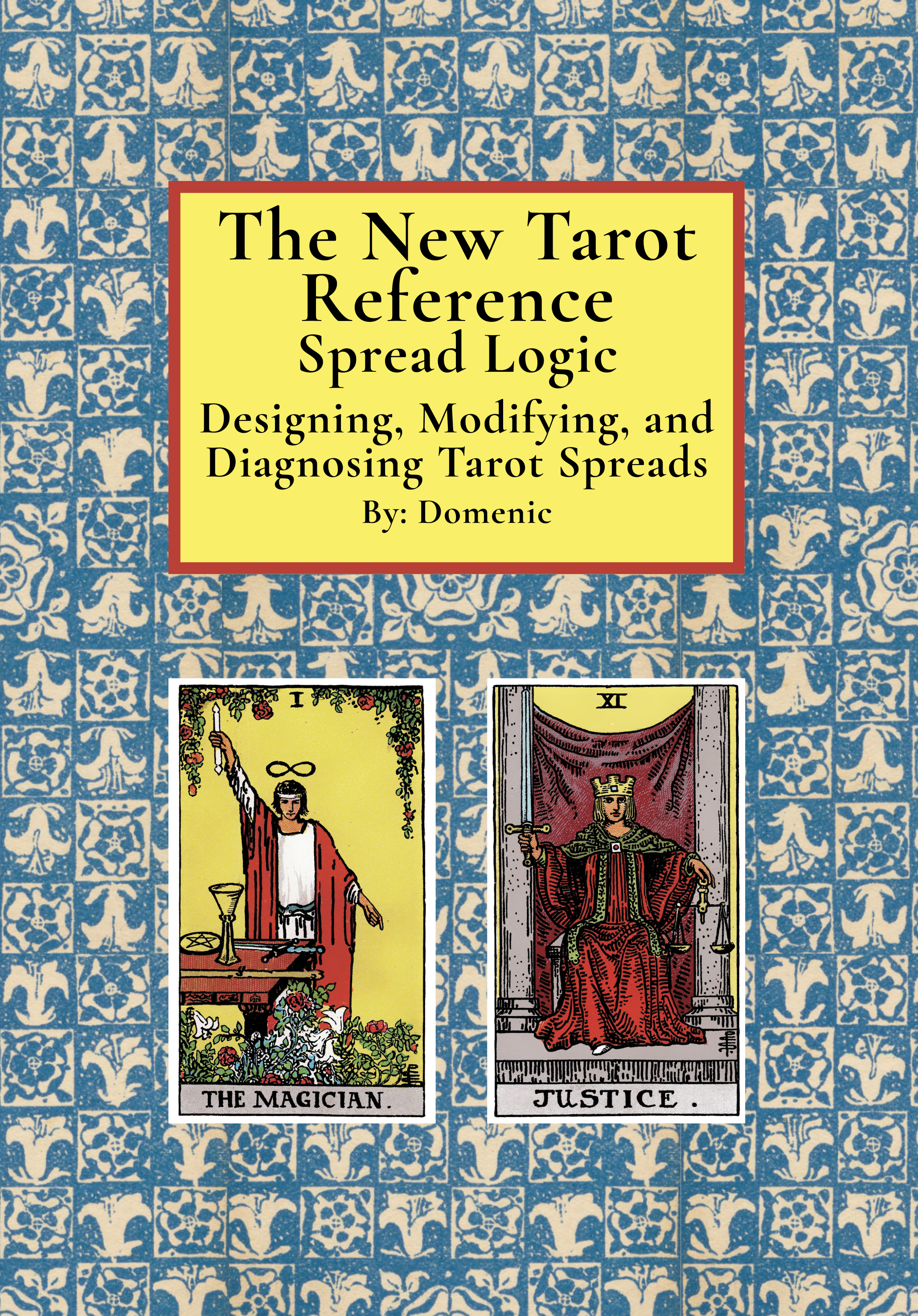
The New Tarot Reference Spread Logic
Designing, Modifying, and Diagnosing Tarot Spreads
Understand how spreads work, not just where the cards go.
The New Tarot Reference Spread Logic treats tarot spreads as structured systems where every position has a purpose.
Learn how to choose, read, build, modify, and repair spreads so multiple cards become one clear and coherent reading.
WHAT THIS VOLUME GIVES YOU
A repeatable framework for understanding how tarot spreads work
Clear position roles instead of vague layout labels
A method for choosing the right spread for the question
Rules for understanding how positions interact
Tools for building and modifying your own spreads
A system for diagnosing confusing or contradictory readings
Clear methods for combining multiple cards into one answer
Practical spreads ranging from one card to full diagnostic layouts
WHAT YOU WILL LEARN TO DO
Turn broad questions into clear, answerable reading prompts
Choose the smallest spread that fits the question
Define each position by the job it needs to perform
Understand how positions modify, contrast, and reinforce one another
Combine multiple cards into one coherent interpretation
Recognize when a spread is creating overlap or unnecessary noise
Use clarifiers without letting the reading spiral
Design, modify, and repair spreads using consistent logic
INSIDE THE BOOK
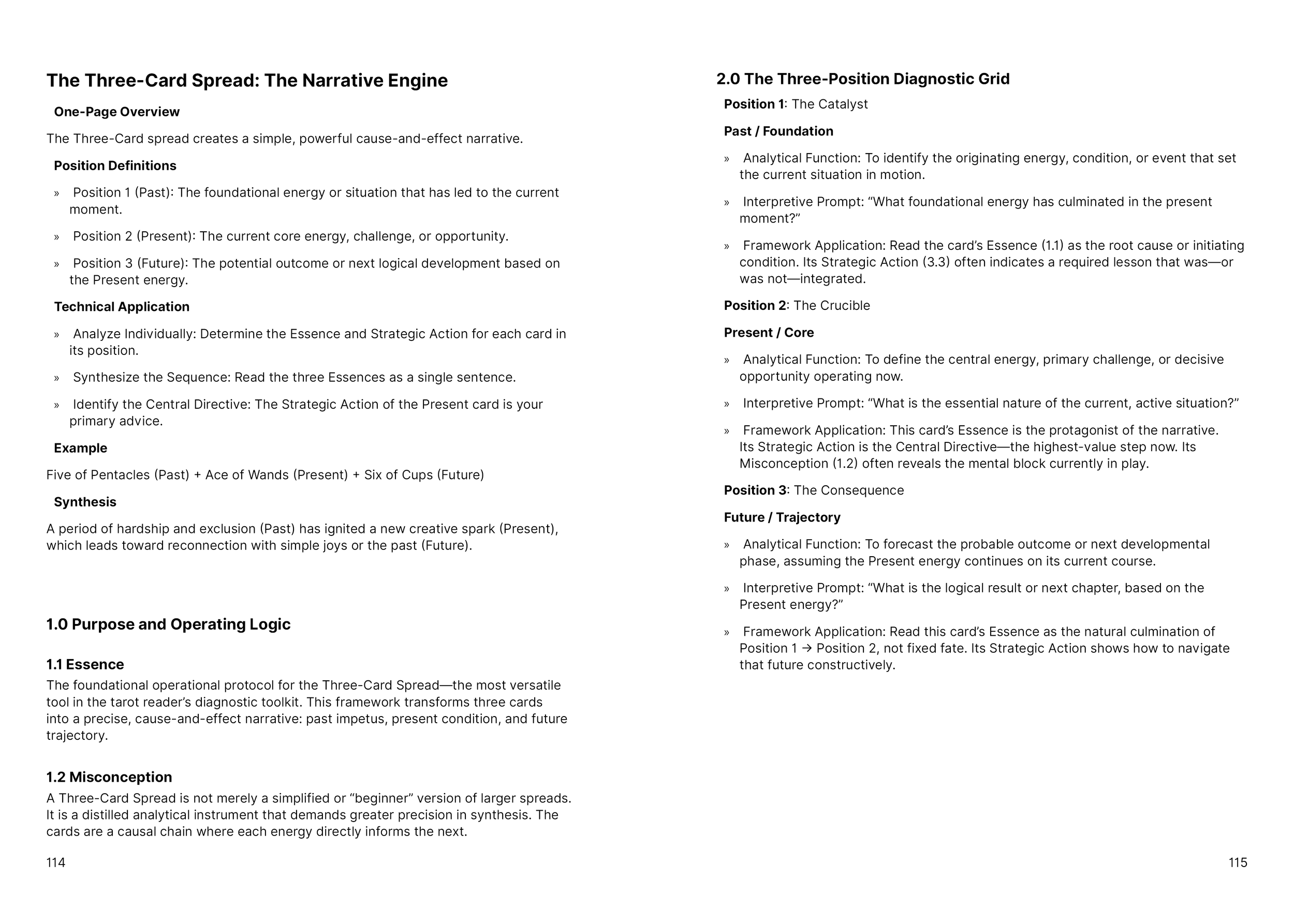
The Three-Card Spread: The Narrative Engine
See how three defined positions work together through a structured diagnostic grid and synthesis process.
The Celtic Cross Spread: The Strategic Diagnostic
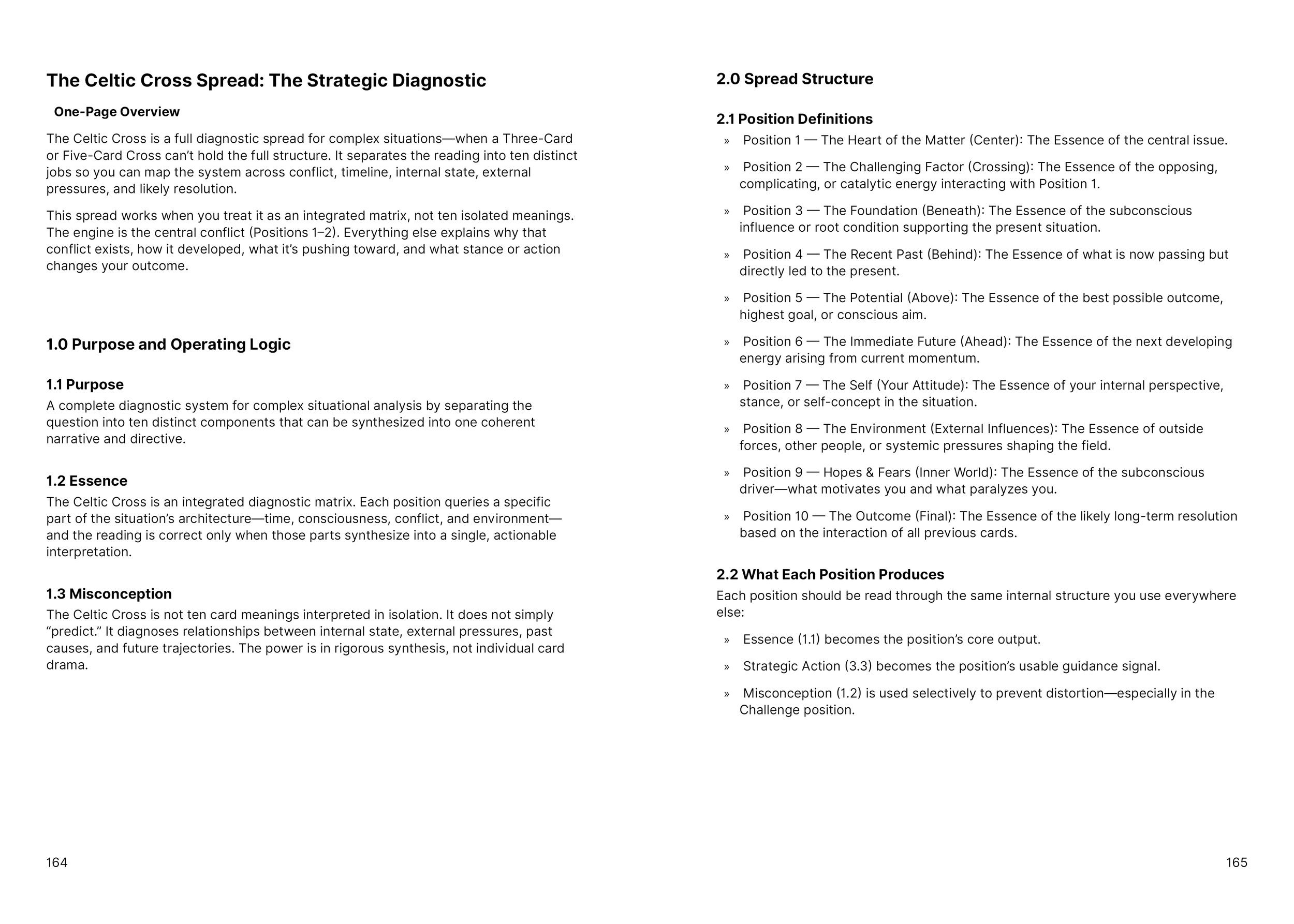
See how ten positions are organized into a complete reading that connects core dynamics, pressures, guidance, and trajectory.
BUILT FOR
New tarot readers learning how spreads actually work
Structured learners who prefer clear rules and repeatable methods
Critical thinkers who want to understand why a spread works
Readers frustrated by vague positions or confusing layouts
Practicing readers who want cleaner multi-card interpretations
Readers who want to build or modify their own spreads
Anyone who tends to pull more cards when a reading gets unclear
Experienced readers looking for a more consistent spread framework
PART OF A FIVE-VOLUME SYSTEM
Volume III builds the logic behind the spread.
Spread Logic takes the cards and framework from the first two volumes and shows how to organize them into a coherent reading.
Volume I: Learn the framework
Volume II: Apply it across all 78 cards
Volume III: Understand how spreads are built
Volume IV: Strengthen your skills through practice
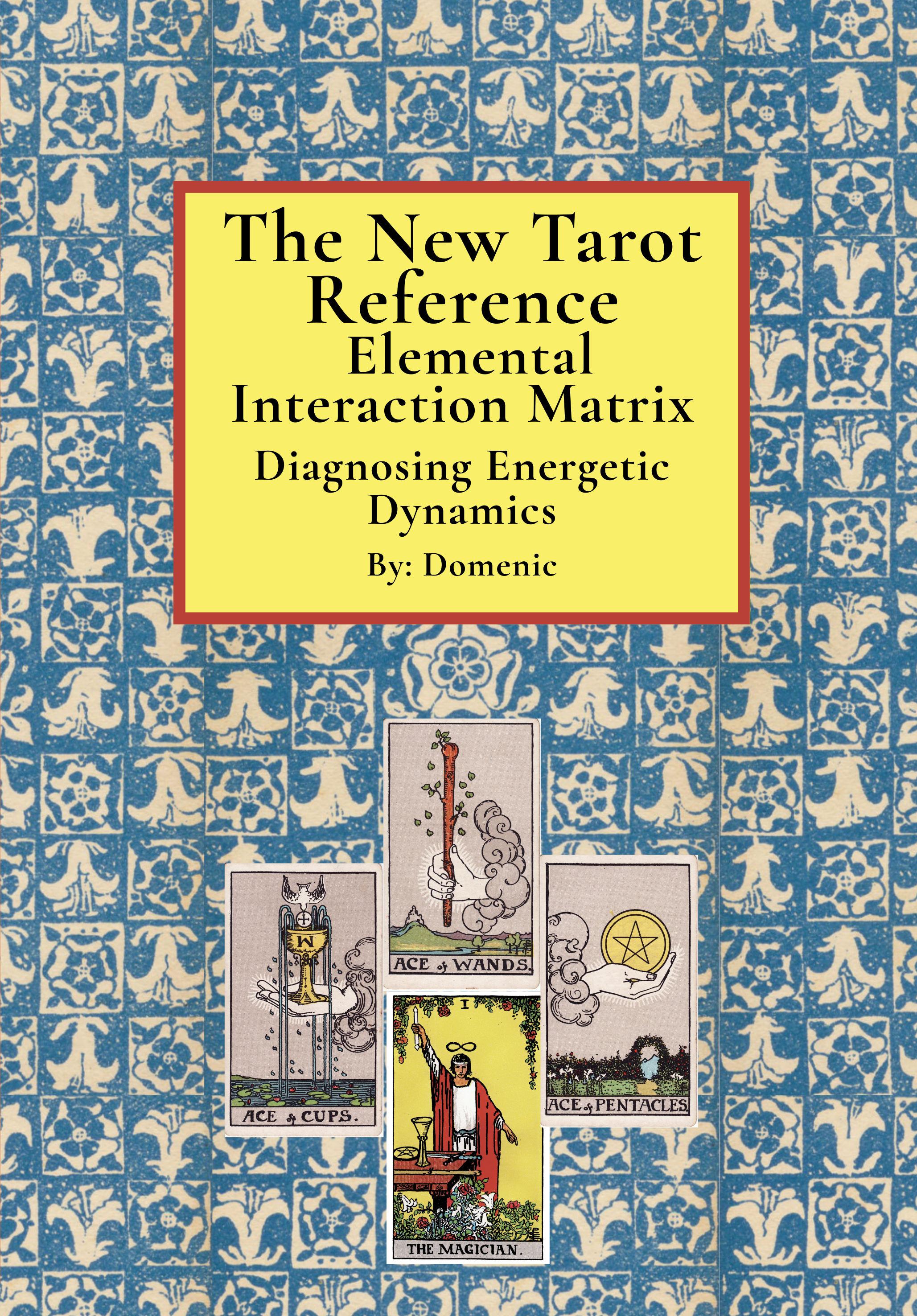
Volume V: Analyze how cards interact



IS THIS THE RIGHT VOLUME FOR YOU?
New to spreads? Start with simple layouts and build your skills gradually
Already use spreads? Learn why positions work and how they interact
Unsure which spread to choose? Match the layout to the question you need answered
Readings feel messy? Learn to identify overlap, contradiction, and unnecessary noise
Pull too many clarifiers? Use clear rules to keep the reading focused
Want to design spreads? Build positions around defined jobs and useful outputs
Want clearer answers? Learn to synthesize multiple cards into one structured reading
Need card meanings? Volume II covers the cards; Volume III focuses on how they work together in spreads
SEE THE BOOK FOR YOURSELF
See the spread models, selection tools, interaction rules, repair methods, and complete reading systems inside Volume III.
Core Spread Logic
Positions as defined jobs
Constraints, interactions, and anchors
Structure instead of disconnected meanings
Question Design
Question Integrity Test
Scope locking
Bad questions rewritten into usable ones
Spread Selection
Choose by output need
Match spread size to complexity
Quick “If X, Use Y” selector
Position Taxonomy
Standard position jobs
Clear prompts and output types
Common position failure modes
Interaction Rules
Weighting and adjacency
Opposition and mirroring
Convergence and reinforcement
Clarifier Policy
Clarifier limit rules
Every clarifier needs a job
Stop repeated re-asking
Synthesis & Output
Turn multiple cards into one answer
Short and standard output templates
Finish with a clear directive
Spread Construction
Build spreads from functional job blocks
Split, combine, or reassign positions
Create layouts without unnecessary overlap
Conflict Resolution
Resolve contradictory positions
Use anchors to determine priority
Separate spread problems from situation
problems
Diagnosis & Repair
Recognize why a spread is failing
Follow a diagnostic ladder
Repair the layout instead of adding more cards
Responsible Reading
Consent and reading boundaries
Future positions as conditional trajectory
Keep interpretation grounded and actionable
Complete Spread Library
One-Card, Two-Card, Yes/No, and Three-Card
Five-Card, Relationship, Horseshoe, and Decision spreads
Celtic Cross and Year-Ahead systems